
Heritage at Risk: Hanoi Children’s palace and other modernist sites in Hanoi, Vietnam
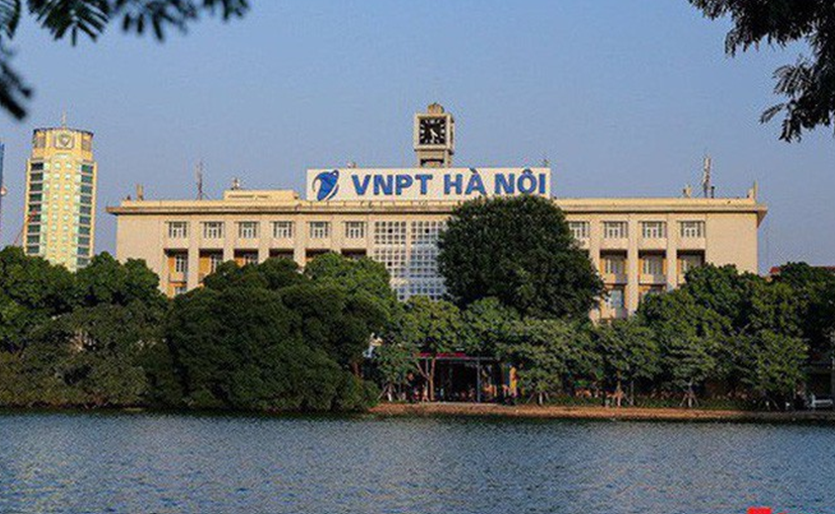
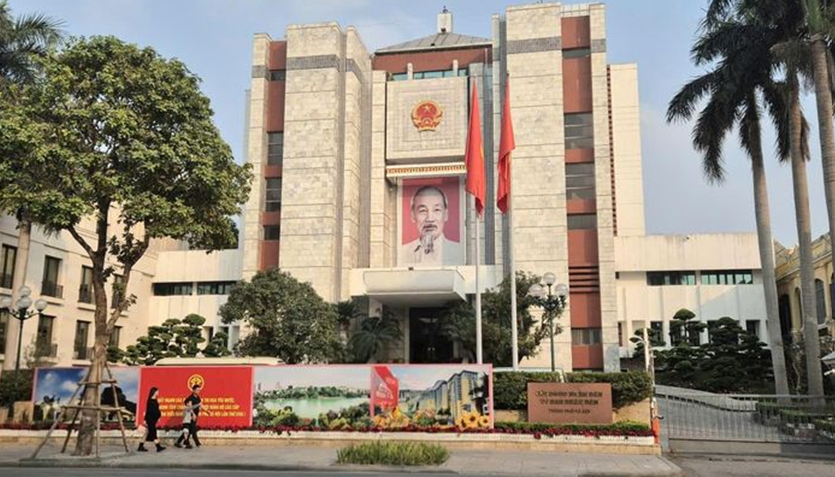
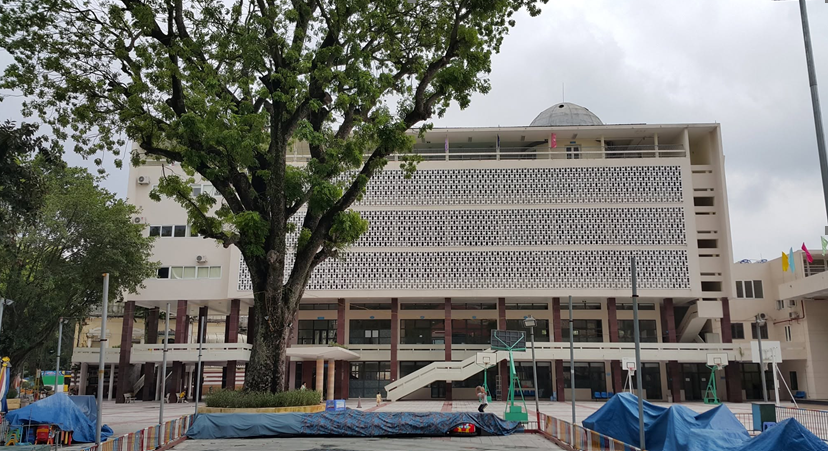
DOCOMOMO International joins Docomomo Vietnam to express serious concern for the uncertain future of the Vietnamese modernist architecture under planning framework for the Hoan Kiem Lake and surrounding area. This includes the future plans for the Hanoi Children’s Palace and Khăn Quàng Đỏ Theatre, Hanoi City Hall (People’s Council and People’s Committee headquarters) and the Hanoi Post Office.
As the planning proposal is still under consideration and has not yet been finally approved, we take this important opportunity to raise concerns regarding this heritage before irreversible decisions are made. In this sentiment, we share the concern of our colleagues from DOCOMOMO Vietnam, as well as supporting sentiments from DOCOMOMO Singapore, DOCOMOMO Thaiwan, and Professor Kilhun Lee from the University of Seoul, Department of Architecture.
The Hanoi Children’s Palace, designed by Vietnamese architect Lê Văn Lân and constructed between 1974 and 1977, is much more than a public building from the 1970s. It is an important example of Vietnamese modern architecture and represents a distinctive adaptation of international modernism to the Vietnamese context.
Significantly, DOCOMOMO’s own research has previously recognized the building as “one of the most valuable buildings” of its period, highlighting its modernist form, asymmetrical composition, intelligent spatial organization, climate-responsive claustra, integration of open and enclosed spaces, artistic elements, existing vegetation and use of locally available and recycled materials.
Its significance is also historical and social. Built during a period of war and severe material and economic constraints, the Children’s Palace represents the ambition to provide a substantial cultural and educational environment for children even under conditions of scarcity. For almost half a century, it has continued to serve generations of Hanoi children through education, arts, sports and cultural activities. Its open corridors, courtyards, stairways and shaded spaces have consequently become part of the collective memory of the city.
The heritage value of the Children’s Palace also extends beyond the main building itself. It forms part of a broader architectural ensemble comprising the former Ấu Trĩ Viên building, the Children’s Palace and the Khăn Quàng Đỏ Theatre, together with their landscape, circulation systems and interconnected open spaces. The removal of one of these components would therefore affect the integrity of the ensemble.